Streamers
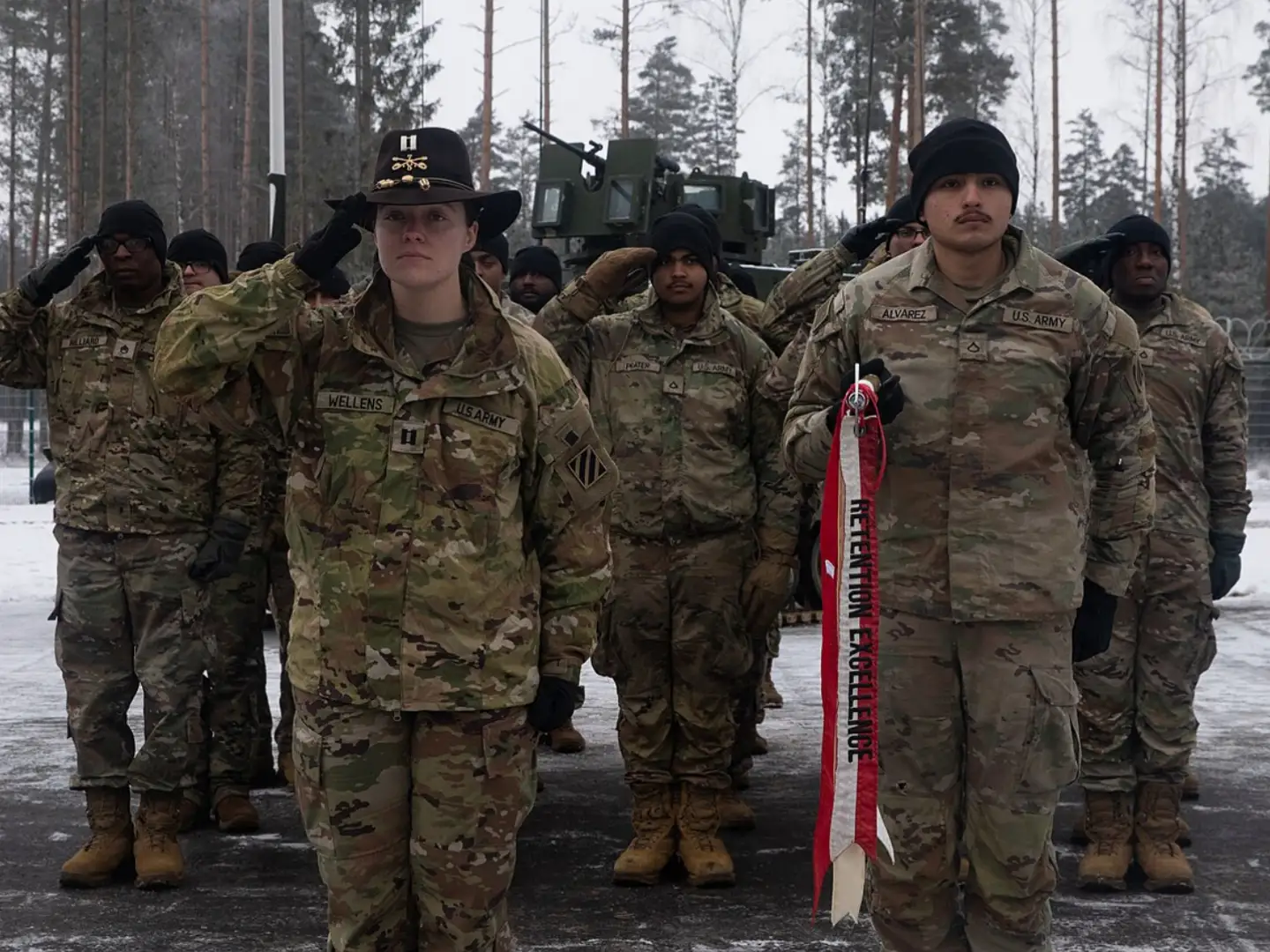
Streamers are long, narrow fabric ribbons attached to the headpiece of a unit's organizational flag or guidon. They serve as the definitive physical record of a military unit's collective accomplishments. The custom dates back to the American Civil War, when regiments would embroider the names of significant battles directly onto their flags. Today, the United States Army standardizes these ribbons so that their colors and patterns match the specific campaign or service medal authorized for individual soldiers who fought in that same conflict.
Streamers are awarded for three primary reasons: campaign participation, unit decorations, and war service. Campaign streamers recognize a unit's presence and active combat engagement in a specific, formally recognized theater of war, with the name and year of the operation embroidered onto the ribbon. Unit decoration streamers are awarded for collective valor or exceptional performance, such as the Presidential Unit Citation or Valorous Unit Award. Finally, war service streamers are designated for units that provided critical service during a war but were stationed outside the designated combat zones.
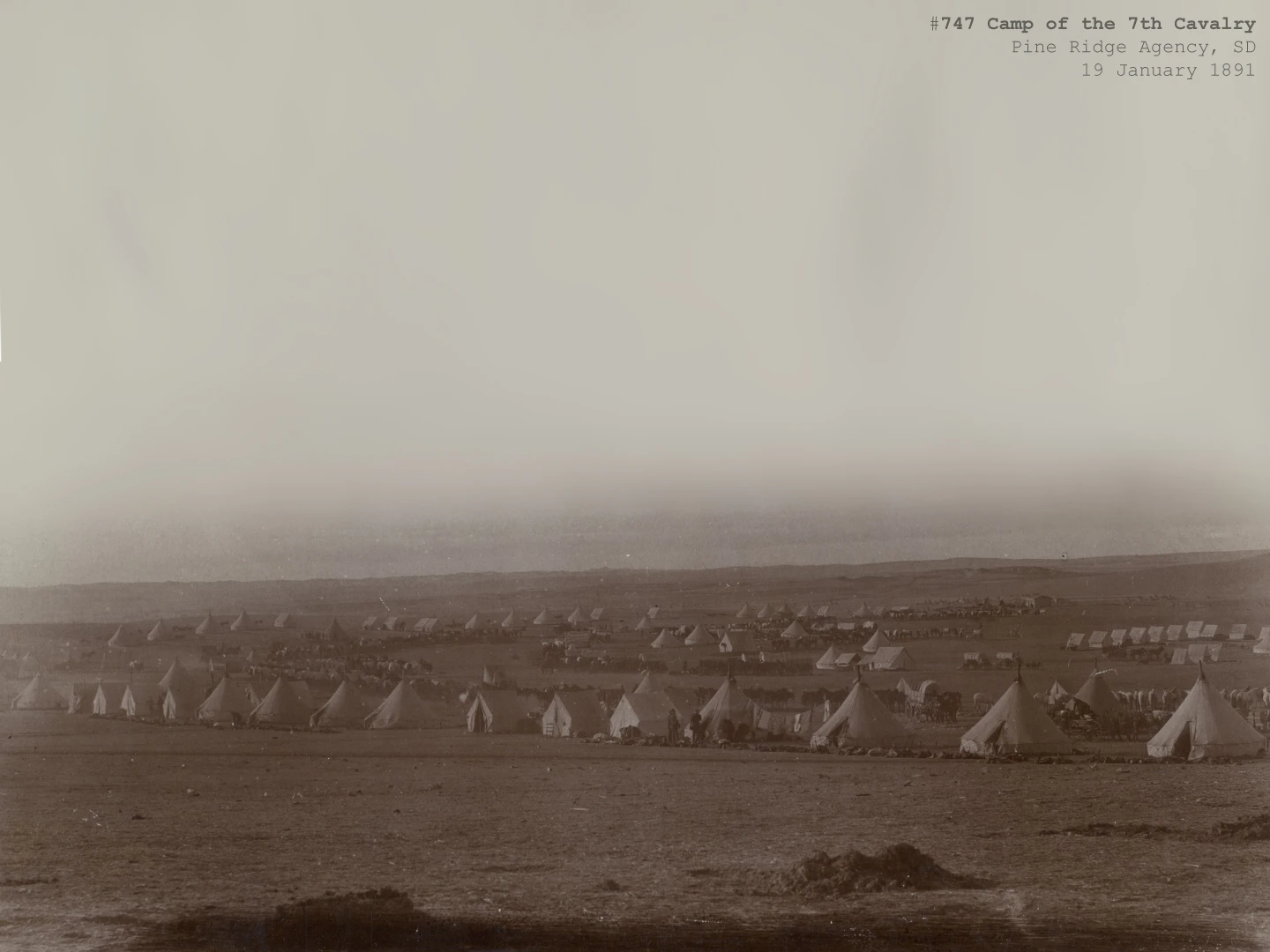
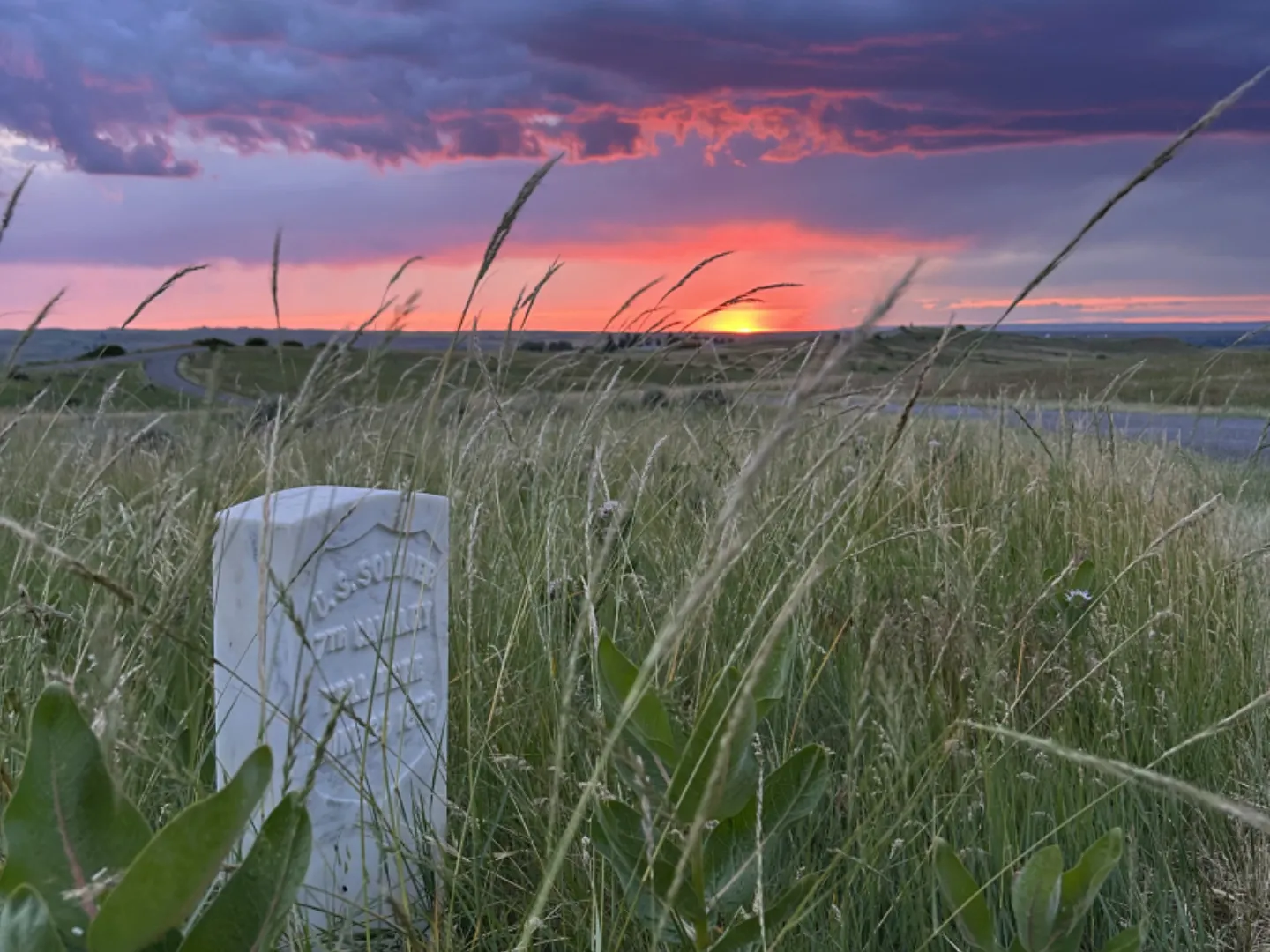
The highly-decorated 7th Cavalry Regiment holds an extensive collection of streamers that maps out a vast portion of American military history. Its initial streamers stem from the brutal realities of the American Indian Wars, which include combat credits for the Battle of the Little Bighorn, the Nez Perce War, and the Pine Ridge campaign. Following service in the Mexican Punitive Expedition (1916), the regiment traded its horses for vehicles and infantry roles, ultimately earning a wide collection of Pacific Theater streamers in World War II, with specific inscriptions for campaigns in New Guinea, Luzon, Leyte, and the Bismarck Archipelago.
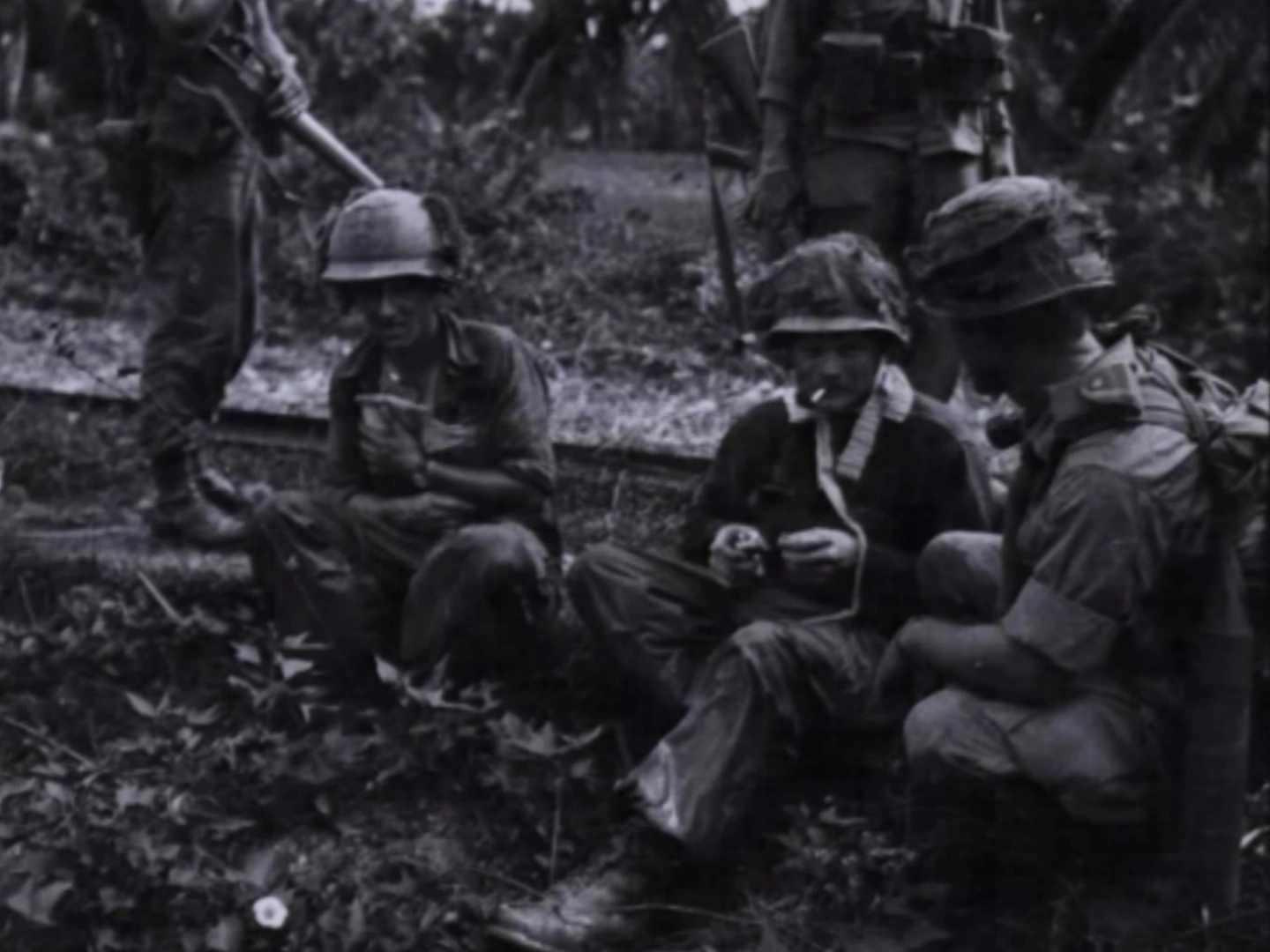
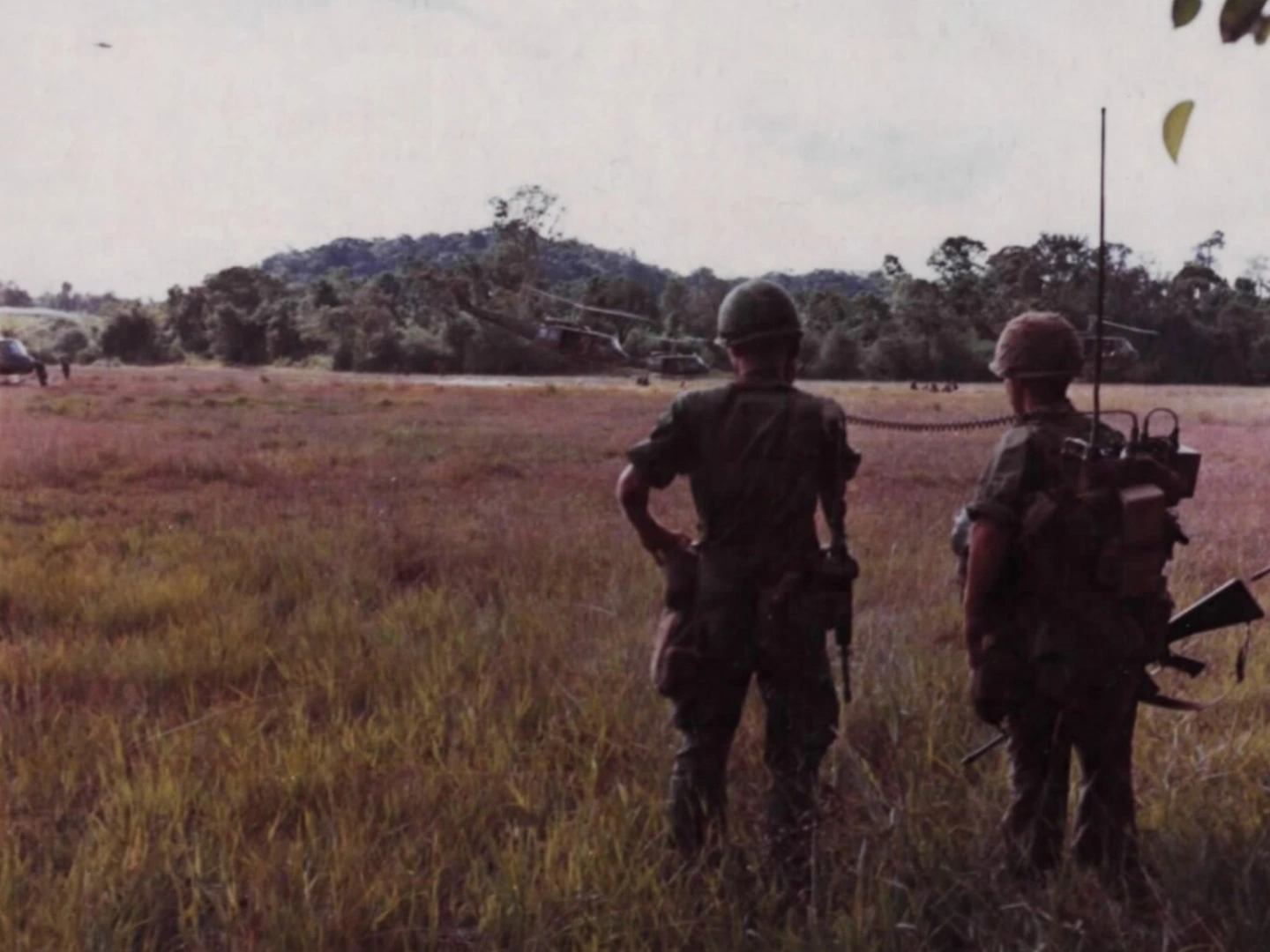
The 7th Cavalry's legacy grew further through heavy engagement in mid-to-late 20th-century conflicts. During the Korean War, the regiment added numerous campaign streamers, notably for the defensive battles along the Pusan Perimeter and the push past Inchon. In the Vietnam War, fighting as an airmobile unit, the 7th Cavalry earned a massive array of streamers—including a Presidential Unit Citation ribbon for the fierce fighting at the Battle of Ia Drang Valley. In more recent decades, the unit has continued to collect streamers for its heavy armor and reconnaissance deployments across Southwest Asia, encompassing operations in the Gulf War, the Iraq War, and the War in Afghanistan.
Regimental Streamers (1866-1957)
Indian Wars


- Comanches
- Montana 1873
- Dakota 1874
- Battle of Little Big Horn
- Nez Perce War
- Pine Ridge
Mexican Expedition (1916-1917)


World War II, Pacific Theater


- New Guinea
- Bismarck Archipelago W/Arrowhead
- Leyte W/Arrowhead
- Luzon
Korean War


- UN Defensive
- UN Offensive
- CCF Intervention
- First UN Counteroffensive
- CCF Spring Offensive
- UN Summer-Fall Offensive
- Second Korean Winter
- Third Korean Winter
1st Squadron
Vietnam


- Defense
- Counter Offensive
- Counter Offensive Phase II
- Tet Counter Offensive Phase III
- Tet Counter Offensive
- Counter Offensive Phase IV
- Counter Offensive Phase V
- Counter Offensive Phase VI
- Counter Offensive ~Tet 1969
- Summer–Fall 1969
- Winter–Spring 1970
- Sanctuary Counter Offensive
- Counter Offensive VII
- Consolidation I
- Consolidation II
- Cease-Fire
Operation Desert Shield/Desert Storm (1991)


- Defense of Saudi Arabia
- Liberation and Defense of Kuwait
- Cease-Fire
War On Terrorism


- Transition of Iraq (1 March 2004 – 28 June 2004)
- Iraqi Governance (29 June 2004 – 1 March 2005)
2nd Battalion/Squadron
World War II, European Theater


- Algeria-French Morocco
- Tunisia
- Sicily W/Arrowhead
- Naples–Foggia
- Anzio W/Arrowhead
- Rome–Arno
- Southern France W/Arrowhead
- Rhineland
- Ardennes–Alsace
- Central Europe
World War II, Pacific Theater
- New Guinea
- Bismarck Archipelago W/Arrowhead
- Leyte W/Arrowhead
- Luzon
Korean War
- UN Defensive
- UN Offensive
- CCF Intervention
- First UN Counteroffensive
- CCF Spring Offensive
- UN Summer–Fall Offensive
- Second Korean winter
- Third Korean winter
Vietnam
- Defense
- Counteroffensive
- Counteroffensive Phase II
- Tet Counteroffensive Phase III
- Tet Counteroffensive
- Counteroffensive Phase IV
- Counteroffensive Phase V
- Counteroffensive Phase VI
- Counteroffensive ~Tet/1969
- Summer–Fall 1969
- Winter–Spring 1970
- Sanctuary Counteroffensive
- Counteroffensive VII
- Consolidation I
- Consolidation II
- Cease-Fire
3rd Squadron
World War II, European Theater
- Algeria-French Morocco
- Tunisia
- Sicily W/Arrowhead
- Naples–Foggia
- Anzio W/Arrowhead
- Rome–Arno
- Southern France W/Arrowhead
- Rhineland
- Ardennes–Alsace
- Central Europe
World War II, Pacific Theater
- New Guinea
- Bismarck Archipelago W/Arrowhead
- Leyte W/Arrowhead
- Luzon
Korean War
- UN Defensive
- UN Offensive
- CCF Intervention
- First UN Counteroffensive
- CCF Spring Offensive
- UN Summer–Fall Offensive
- Second Korean winter
- Third Korean winter
Operation Enduring Freedoom


- Liberation of Iraq
- Cease-Fire
4th Squadron
World War II, European Theater
- Algeria-French Morocco
- Tunisia
- Sicily W/Arrowhead
- Naples–Foggia
- Anzio W/Arrowhead
- Rome–rno
- Southern France W/Arrowhead
- Rhineland
- Ardennes–Alsace
- Central Europe
World War II, Pacific Theater
- New Guinea
- Bismarck Archipelago W/Arrowhead
- Leyte W/Arrowhead
- Luzon
Korean War
- UN Defensive
- UN Offensive
- CCF Intervention
- First UN Counteroffensive
- CCF Spring Offensive
- UN Summer–Fall Offensive
- Second Korean winter
- Third Korean winter
Operation Desert Shield/Desert Storm 1991
- Defense of Saudi Arabia
- Liberation and Defense of Kuwait
- Cease-Fire
Operation Desert Storm
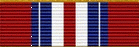

- Troopers during Operation DesertStorm in 1991
5th Squadron
Vietnam
- Defense
- Counteroffensive
- Counteroffensive Phase II
- Tet Counteroffensive Phase III
- Tet Counteroffensive
- Counteroffensive Phase IV
- Counteroffensive Phase V
- Counteroffensive Phase VI
- Counteroffensive ~Tet/1969
- Summer–Fall 1969
- Winter–Spring 1970
- Sanctuary Counteroffensive
- Counteroffensive VII
- Consolidation I
- Consolidation II
- Cease-Fire
- Savage, James W
SGT, D-Troop 3-7 (1968-1969)
Webmaster, 7th Cavalry Association  'Fox'
Web Developer
Kitsunami Studios- Wikimedia Commons
for the images shown in the background scroll